


Urban Law at the Paris 2024 Olympic Games
By Kaynicté PérezHosting the Olympic Games represents a unique opportunity for host cities to transform their infrastructure and urban landscape. This process brings with it a number of legal challenges and obligations that must be managed to ensure regulatory compliance and long-term sustainability.
The organization of the Olympic Games involves the development of an urban plan for the design and construction of new sports facilities and improvements to transportation infrastructure for long-term use beyond the Olympic Games. Such planning requires extensive legal study to ensure that projects comply with current urban planning regulations. In France, the Urban Planning Code provides the legal basis for the planning and execution of urban projects, regulating everything from land use to the protection of cultural and natural heritage.
By virtue of the above, coordination for the evaluation, planning, design and construction of works requires the participation of national and municipal authorities to the extent of their powers. In France, urban planning is a State matter regulated by national laws that must be complemented by regional and municipal regulations, such as the Particular Regulations of Urban Planning and Development, Regional Master Plans and Land Occupancy Plans.
In Mexico, we have several regulations that jointly establish guidelines and rules that regulate urban law, at the federal level, the General Law of Human Settlements, Land Management and Urban Development, and at the state level, such as the Urban Development Law of each state. Currently, Mexico has the opportunity to apply and identify new areas of opportunity to update urban law before the arrival of the Soccer World Cup in 2026.
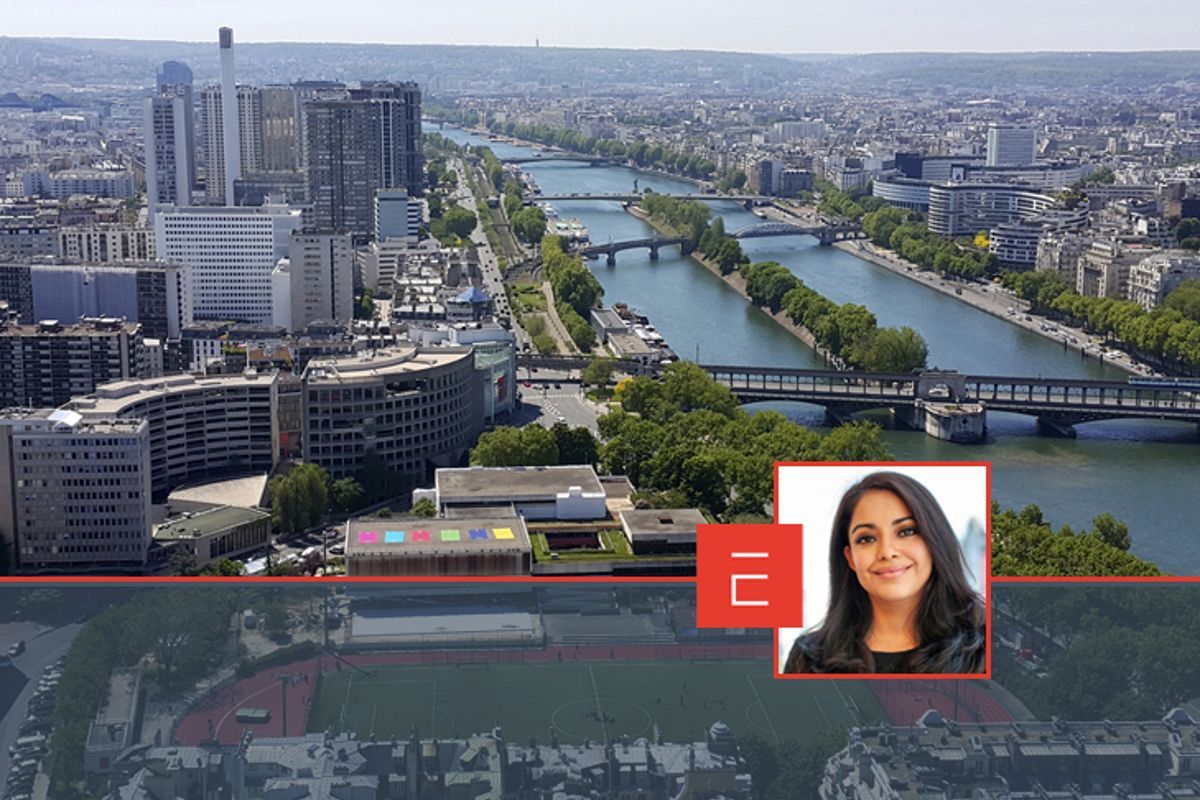
In these Olympic Games in Paris 2024, the authorities implemented projects such as the Olympic Village along with a series of renovations to the surrounding areas of the Seine River and the Champs Elysees, ensuring that the works are carried out in an orderly manner and for the benefit of the local community. These projects must be aligned with the country's environmental and urban regulations to ensure their sustainability.
The urban transformation for the Olympic Games presents an opportunity for host cities to rethink their urban development projects that must take into consideration the social and environmental needs of each city, however, this also represents a legal challenge that must be addressed according to the complexity of each project. From land expropriation to environmental protection, every aspect of Olympic projects must comply with a rigorous legal framework. At ECIJA Mexico, we offer specialized legal advice to assist companies and organizations in the legal analysis of each project in order to identify the urban and environmental regulations that must be complied with for it to be carried out successfully.
ECIJA Mexico
socios.mexico@ecija.com
+52 55 5662 6840
www.ecija.com
Related professionals

LATEST FROM #ECIJA

Resolution 277/2026, which came into force on 29 June 2026, establishes SIGIM, a platform that will forward notifications of compulsory pre-litigation mediation to ARCA’s electronic tax address.

In Mexico, international arbitration has become a common means of resolving complex disputes relating to investments, long-term contracts and strategic projects.

ECIJA Ecuador analyses the main provisions of the Free Trade Agreement between Ecuador and Canada.

The historic agreement between Michael Jackson and Pepsi marked a turning point in the commercial exploitation of image rights, laying the foundations for modern sponsorship contracts. Today, in a world dominated by social media and artificial intelligence, these agreements are more complex and strategic than ever.

It sets out new rules for the processing of personal data in debt collection procedures and communications with third parties.

Two out of three days fall at the weekend

ECIJA’s TMT department analyses the ‘Digital Omnibus’, the reform approved by the European Union that streamlines the Artificial Intelligence Regulation (AIR). It extends deadlines, reduces the burden on SMEs and strengthens the powers of the European AI Office, without compromising the level of protection of rights and security.

A comparative analysis of the regulation, functions and requirements of the Data Protection Officer (DPO) in Chile and Spain, highlighting their strategic role in governance and compliance in the field of personal data protection.

In light of the rise in online scams and fraud, SUTEL is calling for changes.