


The new game of Uruguayan football: limited liability sports societies, investment funds, and television rights towards 2030
Uruguayan football has entered a new phase where two phenomena converge: the financial professionalization of clubs through Sports Anonymous Societies (SADs) and the arrival of foreign capital along with the revaluation of the league product as an exportable asset.
All this, coupled with the bidding war for audiovisual rights from the Uruguayan Football Association (AUF) and Uruguay's agenda as host and organizer in the lead-up to the 2030 World Cup, paints a landscape of power, governance, and sports narrative in full transformation.
Sports Anonymous Societies (SAD) and funds: what is changing on the pitch and in management
Over the past two years, the transformation of the institutional landscape has accelerated: clubs that were traditionally civil associations began to coexist —and in some cases transform— into Sports Anonymous Societies (SAD), with private investors behind them.
This regulatory and practical leap changes the incentives: it professionalizes management, facilitates capital injections, and at the same time opens risks (loss of social control of the club, governance conflicts, and exposure to opaque capitals). This reality is already visible in the new "map" of Uruguayan football for 2025, where the coexistence between SADs and associations marked a turning point.
Globally, the expansion of "multiclub" ownership and funds treating clubs as assets within diversified portfolios brings capital, knowledge, and exit routes (player sales, commercial rights), but also homogenizes sports decisions and creates regulatory and competitive tensions when the same group controls several teams. This logic directly influences the valuation of Uruguayan clubs by potential buyers.
The auction of rights: the lever to sell the product abroad
Meanwhile, the AUF launched a tender to sell the image and sound signal for the period 2026-2029, dividing the package into blocks and receiving multiple offers. The process is not just an auction to generate income: it is an opportunity to reposition the championship (broadcast quality, international packaging, accessibility through OTTs) and thus attract external markets and audiences, the main goal if the league wants to transform itself into an "exportable product". The AUF has published the calls for tenders and the specifications and is receiving commercial, economic, and legal evaluations from bidding companies.
In the last call for tenders, around fifteen offers were received from more than a dozen companies. Among the names are local players with a solid track record in Uruguay and international and/or regional groups looking to integrate it into their content network. This variety —which includes traditional operators to consortia with streaming platforms— demonstrates that the market believes that Uruguayan football has concrete commercial potential.
Who is interested: Mediapro, Tenfield, Torneos/Directv, Antel + Disney, and others
Among the interested parties are both companies with a history in regional sports rights and emerging operators: Tenfield (a local player with a long history), Torneos/Directv, consortia that include operators and platforms (for example, Antel with Team Sports Media and Disney+), and international production and distribution companies like Mediapro.
The presence of these names indicates two things: (1) the dispute between traditional actors and platforms for premium content, and (2) the possibility of Uruguayan football integrating into distribution networks with regional or global reach. This will determine how the product is packaged (schedules, formats, language, accessibility) and how much money will flow into the local ecosystem.
Practical effects on clubs and the national team: who wins and who loses?
If the bidding results in higher revenues and better exposure, clubs have clear incentives: to professionalize commercial structures, improve stadiums, and retain talent for longer. For investors (SADs, funds, multiclubs), the path is open to monetize squads and brands.
But there are concessions: a greater dependence on television revenue and external decisions may deepen the asymmetries between clubs that attract investment and those that do not, increase the pressure to achieve short-term results, and transform the identity of historic institutions. Furthermore, the influx of foreign capital requires stricter controls (transparency, governance, contractual clauses) to mitigate financial and legal risks.
Uruguay 2030: the window to showcase the product — and the race against time
The organization of the 2030 tournament —with Montevideo proposing the Centenario stadium as the centerpiece, planned renovations and the option to host key matches or the draw— puts Uruguay in the international spotlight.
This scenario requires accelerated investment in infrastructure, logistics, and television production: a renovated Centenario and high-quality broadcasts will be the calling card for international audiences and buyers.
At the same time, the AUF and authorities have stated that the organization will seek models that minimize direct public expenditure, negotiating with private actors and international chains.
If the AUF manages to combine a solid candidacy (revenue and good international visibility) with competitive facilities and an image for 2030, Uruguayan football could capitalize on a "world effect": more sponsors, a larger transfer market, international agreements. The political and social issue is how to distribute these benefits and avoid deepening internal inequalities through modernization.
Opportunity and risk simultaneously
Uruguay is at a turning point: it has history, talent, and a global window (2030), but faces the need for clear rules, transparency, and a product strategy.
SADs and funds bring capital and professionalization; tenders and actors like Mediapro or regional consortia bring market and visibility. If good governance policies and a long-term vision—combining sporting competitiveness with institutional equity—are implemented, the transformation can strengthen Uruguayan football. If not, the risk is concentrated commercialization and the erosion of the social bond with clubs.
Article written by Agustín López Carriquiry, partner at ECIJA Uruguay in the Sports and Entertainment area.
LATEST FROM #ECIJA

ECIJA Ecuador is analysing the reforms to the tax regime applicable to sports betting operators.

ECIJA Dominican Republic has been ranked in Tier 1 of the Global Leaders in Sports Law Practice Guide.
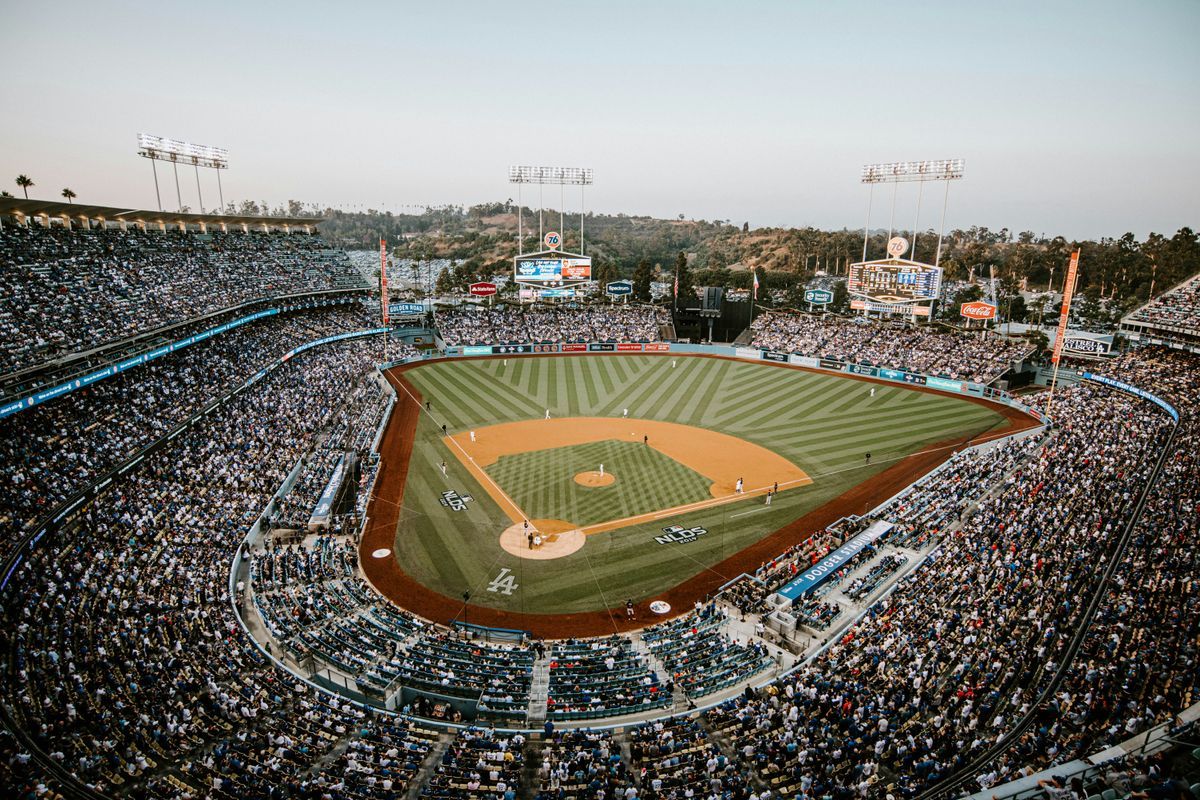
The New York Mets are opening a high-performance center in the Dominican Republic. ECIJA has provided comprehensive advice on the project, ensuring successful implementation from both a legal and business perspective.

ECIJA participates in a strategic forum that will address the main challenges of the sector, ranging from the transformation of competition models and the global expansion of leagues to the impact of artificial intelligence, audiovisual piracy, and new regulatory frameworks.

The firm has been shortlisted for Best Lawyer of the Year, Best Operation of the Year, Best Pro Bono Initiative, Best International Strategy, and as a leading firm in Intellectual and Industrial Property, Technology and Artificial Intelligence, and Sports and Leisure.

TTR Data has named Apollo Sports Capital's acquisition of Atlético Madrid as the operation of the quarter in the Iberian market. ECIJA advised the owners and led the due diligence process.
Uruguayan football is experiencing an unprecedented transformation marked by the emergence of anonymous sports societies (SADs), the entry of investment funds, and a bidding for audiovisual rights that has attracted the interest of regional and global operators.

The transaction marks one of the most important sports investments of the year in Europe and reinforces ECIJA's position as a leading firm in complex corporate transactions of international scope, at the intersection between law, business and sport.

TBY talks to Ricardo Chacón López-Velarde about the company's growth in Mexico, sports law and goals for the next five years.